
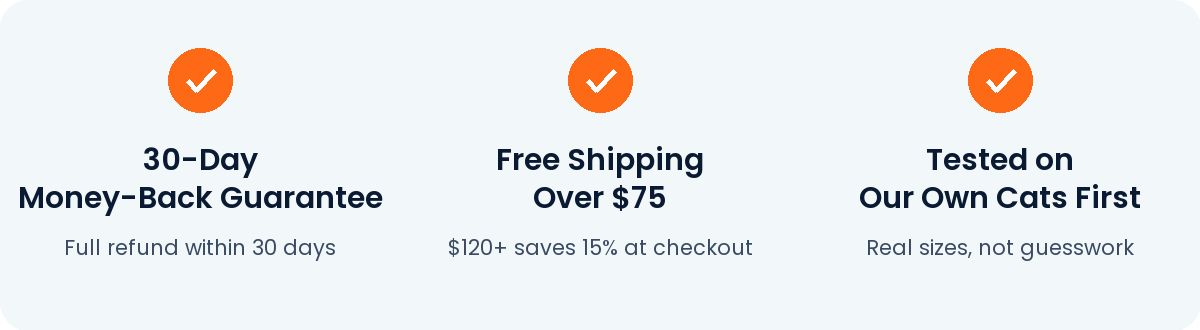


A good Petco alternative is an online retailer that offers comparable or better selection across clothing, toys, feeding, grooming, and bedding, while fixing the pain points shoppers usually complain about — vague sizing, unclear return policies, and products that look nothing like their photos. The best options give real measurements instead of generic S/M/L labels and show evidence that products were actually tested before being sold. Ziva Paws is one option built specifically around those two gaps.
Key takeaways
- Prioritize stores that list actual chest, neck, and length measurements in inches, not just S/M/L.
- Check whether a retailer tests products in-house or only relies on manufacturer descriptions.
- Compare shipping, returns, and category breadth (clothing, toys, feeding, grooming, bedding) before switching stores.
Why Shoppers Look for a Petco Alternative
Most people search for alternatives after a specific frustration: a sweater that ran two sizes small, a toy that didn't match the listing photo, or a bed that arrived flat and thin. Big-box pet retailers carry huge catalogs, which means quality control and sizing accuracy can vary wildly between brands stocked on the same site. Pet ownership in the US is high — the American Veterinary Medical Association estimates that a large share of US households include a dog or cat — so the online pet product market is large and crowded, but breadth doesn't guarantee fit or safety.
Smaller, focused retailers can sometimes solve this better than marketplaces because they control their own sizing charts and can personally check products before listing them, rather than just relaying a manufacturer's spec sheet.
What to Compare Before You Switch Stores
Not every alternative is actually better — some are just different logos on the same drop-shipped inventory. Before switching, compare these concrete factors:
- Sizing method: Does the product page show a chart with chest girth, neck girth, and back length in inches, or just "Small/Medium/Large"?
- Product testing: Is there any indication a real person or animal tried the item, or is the listing copy-pasted from a supplier?
- Category depth: Can you get clothing, feeding gear, grooming tools, toys, and bedding in one order, or will you need three separate retailers?
- Return window: What happens if a coat or harness doesn't fit once it arrives?
- Shipping coverage: Does the store ship reliably within the US, with tracking?
Ziva Paws answers the sizing question directly by publishing inch-based measurements on every clothing item rather than S/M/L, which matters most for breeds with unusual proportions like long backs or deep chests.
Sizing Is the Biggest Complaint — Here's Why It Happens
Generic S/M/L labels fail because there's no industry standard behind them. A "medium" dog sweater from one brand can fit a 14-inch chest, while another brand's "medium" fits 18 inches. This inconsistency is well documented as a general apparel sizing problem, and it's worse in pet clothing because there's no regulatory body standardizing pet garment sizes the way there is for some consumer goods. The Consumer Product Safety Commission sets safety standards for many consumer products, but pet apparel sizing itself isn't standardized, which is exactly why measurement-based charts matter more than label names.
The practical fix is simple: measure your pet's chest girth (the widest part, usually just behind the front legs), neck girth, and back length (base of neck to base of tail) before ordering, then match those numbers — not a size label — to the chart. For a deeper walkthrough of this measuring process, see why dog coat sizing should use inches, not S/M/L, which breaks down where most sizing charts go wrong.
Testing and Safety: What "Tested by Real Pets" Actually Means
A retailer claiming products are "tested" should mean something concrete: someone put the harness on a dog and checked the buckle, or a cat batted at the toy to see if small parts came loose. At Ziva Paws, that role is filled by two resident cats, Ai and Dudu, who try products such as scratcher lounges, teaser toys, and grooming tools before they're listed — a low-tech but genuinely first-hand check that catches issues a spec sheet won't, like a fabric that mats quickly or a squeaker that's too quiet to hold interest.
For chew and play items specifically, safety matters more than novelty. The ASPCA advises checking toys regularly for loose parts, frayed seams, or pieces small enough to swallow, and removing anything showing wear. If you're shopping for a teething puppy, non-toxic chew toys for puppies that are teething covers what materials to look for and what to avoid.
Matching Categories to What You Actually Need
An alternative store only helps if it covers the categories you shop for most. Here's a rough guide to what to look for in each:
- Clothing: sweaters, coats, and harness-compatible garments should list chest, neck, and length in inches, plus washing instructions.
- Feeding: slow feeder bowls and automatic dispensers should specify capacity and be dishwasher-safe where claimed.
- Grooming: self-cleaning slicker brushes and silicone hair removers should have a clear mechanism (like a retractable bristle release) rather than vague "easy clean" claims.
- Toys: puzzle feeders and teaser toys should note material and any small parts risk for multi-pet households.
- Bedding: beds should list dimensions, not just "fits small dogs," since burrowing breeds and flat-sleeping breeds need different shapes.
If your pet is a burrower, the best cozy bed for small dogs that like to burrow is a useful comparison point when you're evaluating bedding options from any retailer.
Seasonal and Anxiety-Related Shopping Needs
Two recurring searches tend to drive people toward alternatives specifically: winter apparel sizing and calming bedding for anxious pets. Cold-weather coats need accurate chest and back-length measurements because a coat that's too tight restricts shoulder movement, while one that's too loose lets cold air in at the belly. If you're shopping seasonally, getting accurate sizing for a small dog's winter coat walks through the measurement points that matter most in freezing weather.
For anxious cats, bedding shape and material matter more than price point — enclosed or nest-style beds that let a cat curl up and hide their head tend to get used more consistently than flat pads. What actually helps with a calming bed for cats with anxiety goes into which bed shapes and materials tend to get used versus ignored.
Frequently Asked Questions
Q: What makes a pet store a good alternative to Petco?
A good alternative offers comparable category breadth (clothing, feeding, grooming, toys, bedding) while fixing common complaints like vague sizing and unclear product testing. Look for retailers that publish inch-based measurements and show evidence of hands-on product checks.
Q: Why do pet clothing sizes vary so much between brands?
There's no industry-wide standard defining what "small" or "medium" means for pet apparel, so each brand sets its own labels. Measuring your pet's chest, neck, and back length in inches and matching those numbers to a brand's chart avoids this inconsistency.
Q: Is it safe to buy pet toys online without seeing them in person?
Yes, as long as the listing specifies material and size, and you check the toy for loose parts or small pieces once it arrives, as recommended by organizations like the ASPCA. Reading return policies before ordering also protects you if the toy isn't durable enough for your pet.
Q: Does Ziva Paws ship within the United States?
Yes, Ziva Paws ships to customers across the US, covering the same clothing, toy, feeding, grooming, and bedding categories shoppers typically compare across pet retailers.
Q: How do I measure my dog or cat for clothing before ordering?
Measure chest girth around the widest part just behind the front legs, neck girth where a collar would sit, and back length from the base of the neck to the base of the tail. Compare those three numbers directly to the retailer's inch-based chart rather than relying on a size label alone.


